The Humpback Whales Are Back: Record 'Supergroups' Return to South Africa's Cape Coast
A record 299-whale supergroup off Cape Town's coast made global headlines in 2026. Here's what's driving it, the new dangers whales face, and where to see them yourself.
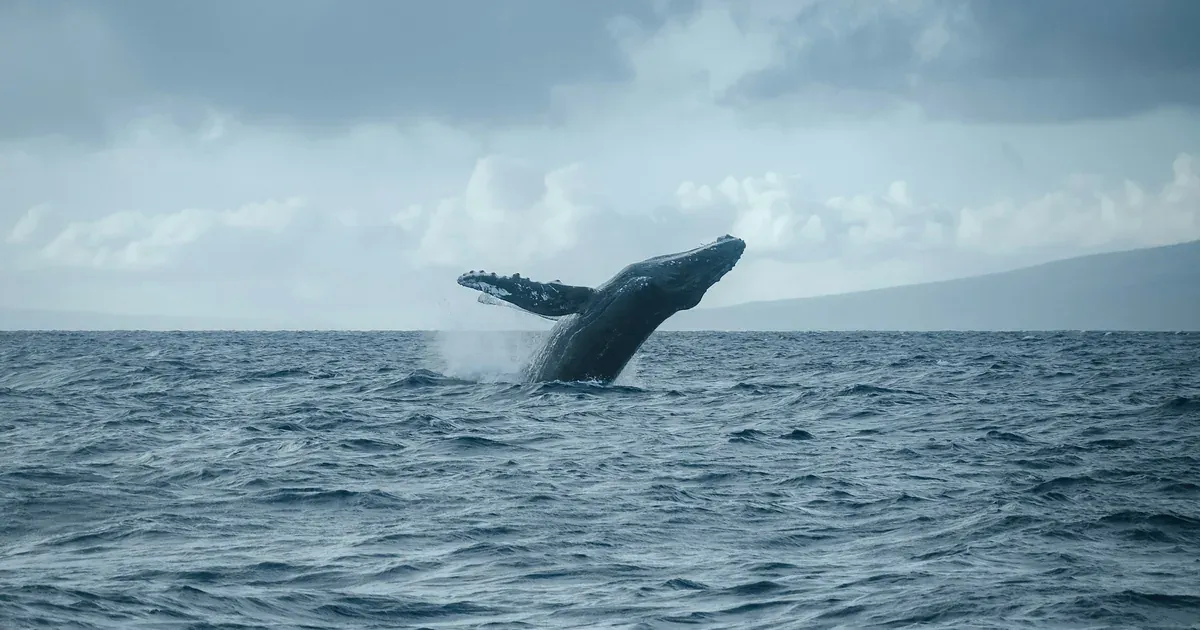
Wildlife photographers Chris and Monique Fallows were about 100 kilometres north of Cape Town in December 2025 when they realised the blows on the horizon weren't a handful of whales but hundreds. By the time they'd finished photographing tail flukes for identification, researchers at the citizen science platform Happywhale had confirmed 299 individual humpback whales in one gathering, the largest such "supergroup" ever logged there in a single 24 hour period. Fallows described the scene as a Manhattan skyline of whale breath. The story only broke globally in July 2026, carried by the Associated Press alongside new reporting on how much danger these recovering giants are now in, which is why a sighting from last summer is suddenly back in the news.
What is a whale "supergroup", exactly?
Humpback whales are usually loners or travel in small pods of two or three. A supergroup is something else: twenty, fifty, sometimes close to two hundred whales feeding tightly packed in the same patch of water, diving and surfacing almost in formation. Researchers first documented the behaviour off South Africa's west coast around 2011, and it has been recorded most summers since, generally correlating with dense krill swarms pushed up by the Benguela current's cold, nutrient rich upwelling. A 2025 study in the journal Marine Mammal Science, led by researcher Seyboth using survey, whale watching operator and citizen science records going back to 2015, links the pattern to positive chlorophyll levels tied to changes in how water moves offshore, which in turn boosts the productivity that feeds krill and the small fish humpbacks eat alongside it.
Why is it happening now, after decades of near silence?
The simplest explanation is also the most encouraging one: there are far more humpback whales alive today than there were fifty years ago. Commercial whaling pushed Southern Hemisphere humpback numbers down to fewer than 10,000 animals at its worst. Since the International Whaling Commission's global moratorium took effect in 1986, the population has climbed back to more than 100,000. Dr Els Vermeulen, chief scientist at the University of Pretoria's Whale Unit, has called the recovery one of the strongest conservation success stories in the marine environment. More whales looking for the same rich feeding grounds off the Cape naturally means bigger, more frequent gatherings, not a new behaviour so much as an old one becoming visible again at scale.
If you want to see this yourself, when do you actually go?
This is where it's easy to get the season wrong. Most South Africans picture whale watching as a Hermanus affair, boats out of Walker Bay between June and December, with southern right whales at their most reliable in September and October when calving and mating peak. That season is running right now, and it is still the safest bet if you want a whale on a specific weekend. Humpback supergroups are a different animal entirely, both literally and in timing. They gather along the west coast roughly from November through April, as strong summer winds concentrate krill inshore, with the Fallows sighting in December sitting right at the start of that window. A sighting on the scale of 299 whales is still a matter of being in the right patch of ocean on the right day, usually found by researchers, fishing crews or tour boats rather than guaranteed for anyone standing on a beach, but smaller humpback groups of twenty to a hundred show up reliably enough in season that a boat trip is a reasonable bet, not a long shot.
Where to actually look
Yzerfontein, about an hour's drive north of Cape Town, is the easiest base for this, with operators such as Whale Expedition running day trips out to the feeding grounds and a stop at Dassen Island's seabird colonies along the way. Further up the coast, Lambert's Bay, St Helena Bay, Saldanha Bay and Port Nolloth all have licensed boat based operators, and the stretch from Melkbosstrand up through Paternoster and Cape Columbine has enough land based lookout points, harbour walls, headlands and the beach itself, that binoculars and patience can be all you need on a calm day. If you're timing a trip around the spring wildflower bloom a little further inland at Darling instead, be aware the whales working that same stretch of coast in August and September are mostly southern rights, not the humpback supergroups described here, so plan the humpback trip separately for the November to April window. Hout Bay and the Atlantic side of Cape Point also see humpbacks pass reasonably close to shore in the same window, useful if a full day trip up the coast isn't on the cards.
More whales also means more risk
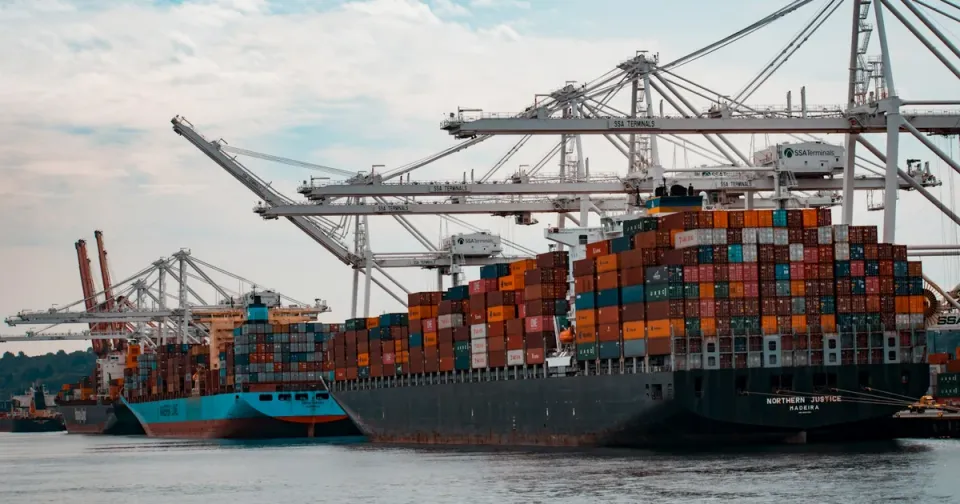
The recovery comes with a genuine cost. A preliminary assessment cited alongside the supergroup reporting found fast-moving vessel traffic off the South African coast has roughly quadrupled since December 2023, largely because container and tanker traffic has been rerouting around the Cape to avoid the Red Sea amid the regional conflict there. Gregg Oelofse, Cape Town's coastal and environmental manager, has described the resulting injuries bluntly: propeller strikes cutting straight through a whale's body are becoming a familiar sight. South Africa currently has no mandatory vessel speed limits in place to protect whales in these waters. Entanglement in fishing gear and the slower pressure of a warming ocean shifting where krill gathers add to the list of threats a recovering population still has to survive.
Scientists are racing to understand the supergroups before that risk catches up
In November 2025, the University of Pretoria's Whale Unit ran what it calls the world's first satellite tagging expedition targeting supergroup humpbacks, part of the wider Whales and Climate Research Program. Over five days at sea the team encountered thirteen separate whale groups, eight of them exceeding twenty animals, and managed to deploy six satellite tags alongside biopsy samples, drone footage, faecal samples and zooplankton collections. The aim is straightforward: work out which populations these whales actually belong to, where they go after they leave the west coast, what they are eating and in what quantities, and use all of that to make the case for protections, such as shipping lane adjustments or speed limits, before ship strikes start eroding a recovery that took forty years to get this far.
None of this diminishes what a supergroup sighting represents. It is, at its core, a good news story about what happens when a species is given decades to recover, playing out just off one of the country's own coastlines. It just happens to be arriving at the same time as a new kind of pressure the whales have never had to deal with before.
Frequently asked questions
What is a humpback whale "supergroup"?
A supergroup is a dense, tightly packed feeding gathering of twenty or more humpback whales in the same patch of ocean, well beyond the small pods of two or three the species usually travels in. The largest recorded off South Africa involved 299 whales, photographed by Chris and Monique Fallows about 100 kilometres north of Cape Town in December 2025 and confirmed through the citizen science platform Happywhale.
When is the best time to see humpback whales on South Africa's west coast?
Roughly November through April, when strong summer winds push krill inshore along the Benguela current. That's a different season to the more famous Hermanus whale watching period of June to December, which is centred on southern right whales rather than humpbacks.
Where can I actually go to see them?
Yzerfontein, about an hour north of Cape Town, has the most established boat based tours. Lambert's Bay, St Helena Bay, Saldanha Bay and Port Nolloth also run licensed boat trips, while Paternoster, Cape Columbine, Melkbosstrand, Hout Bay and the Atlantic side of Cape Point all offer land based viewing with nothing more than binoculars and a clear day.
Why are humpback whale supergroups becoming more common?
Mostly because there are simply more humpback whales alive than there have been in decades. Southern Hemisphere numbers fell below 10,000 during commercial whaling and have recovered to over 100,000 since the 1986 global moratorium. A larger population competing for the same rich Benguela feeding grounds produces bigger, more visible gatherings.
Are the whales in danger despite the population recovery?
Yes. Fast moving ship traffic off the South African coast has roughly quadrupled since December 2023 as vessels reroute around the Cape to avoid the Red Sea, and South Africa has no mandatory speed limits protecting whales in these waters. Ship strikes, fishing gear entanglement and shifting prey from ocean warming are all active threats to a population still rebuilding.
Sources: Associated Press and Africanews reporting on the December 2025 supergroup sighting (July 2026); Seyboth et al., "An Update on the Occurrence of Humpback Whale Super-Groups on the West Coast of South Africa," Marine Mammal Science (2025); University of Pretoria Mammal Research Institute Whale Unit and the Whales and Climate Research Program on the November 2025 satellite tagging expedition; International Whaling Commission population recovery figures. Last reviewed July 2026.
What do you think?
Join the conversation on our South African community forum. Share your perspective, ask a question, or just say hello.