Kimchi Health Benefits and How to Make It in South Africa
Kimchi is trending on South African menus, but does it live up to the hype? Here's what the science actually says about its health benefits, plus a step-by-step recipe using ingredients you can source locally.
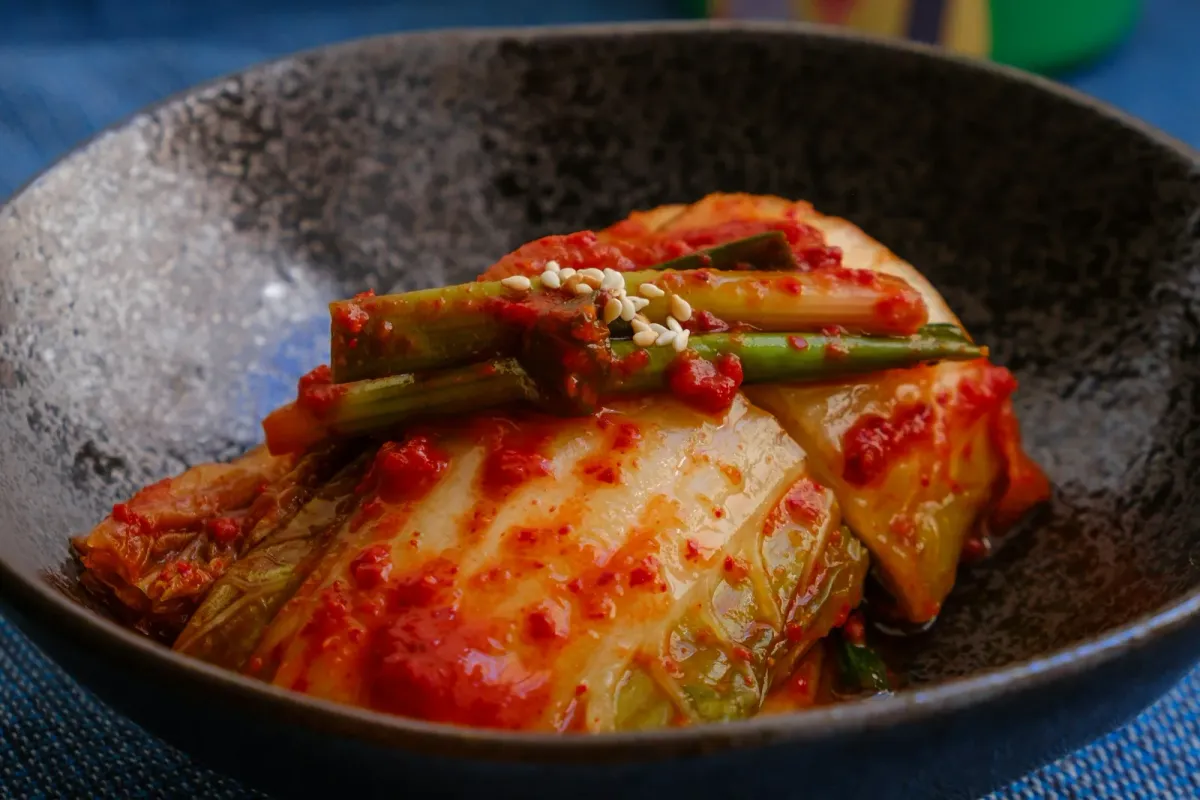
Kimchi has gone from a niche buy at one or two Asian grocers to something you can now find, in one form or another, on menus from Cape Town to Joburg. Part of that is the general rise of Korean food in South Africa, and part of it is the wellness crowd, who've decided fermented cabbage is a superfood. Neither story tells you much about what kimchi actually does for your health, or what it takes to make a jar of your own without living near a Korean supermarket. Here's a straight look at both.
What kimchi is
Kimchi is salted, seasoned, fermented vegetables, most commonly napa (Chinese) cabbage, though radish, cucumber and spring onion versions all exist too. The cabbage is salted to draw out moisture, rinsed, then coated in a paste of chilli flakes, garlic, ginger, fish sauce or salted seafood, and sometimes a little sugar or a rice-flour porridge to help everything stick. Packed into a jar and left at room temperature, naturally occurring lactic acid bacteria take over, the same broad family of microbes behind sauerkraut and yoghurt, and the sugars in the cabbage slowly turn into lactic acid. That's what gives kimchi its sour tang and its fizz once it's properly fermented.[1]
What the research supports
The strongest evidence for kimchi is around gut health, and it holds up reasonably well. A single serving contains a mix of lactic acid bacteria, mainly Lactobacillus, Leuconostoc and Weissella species, a more diverse probiotic load than most single-strain yoghurts or supplements offer.[1] A 2021 Stanford Medicine study led by Prof. Christopher Gardner split 36 healthy adults into two groups for ten weeks, one eating more fibre-rich plant foods, the other more fermented foods including kimchi, kefir and kombucha. Only the fermented-food group showed increased gut microbiome diversity and a drop in 19 inflammatory markers, one of the better-controlled human trials in this space rather than the usual mouse study.[2]
A more tightly controlled 2024 trial gave 55 overweight adults either three kimchi capsules a meal, a freeze-dried dose working out to about 60g of kimchi a day, or a matching placebo, for three months. The kimchi group's body fat dropped by an average of 2.6%, against a 4.7% rise in the placebo group, a statistically significant difference, alongside a shift in gut bacteria toward more Akkermansia muciniphila, a species associated with a healthier metabolism.[3] It's a small trial, and it used a standardised capsule dose rather than someone simply eating kimchi with dinner, but it's a properly controlled result on kimchi specifically, not fermented food in general.
Cleveland Clinic's overview credits kimchi's fibre and probiotics with supporting digestive regularity and satiety, and points to research linking regular fermented-vegetable intake to a lower colon cancer risk and improved cholesterol, though it's upfront that eating too much too quickly can itself cause bloating and abdominal discomfort while your gut adjusts.[4] Beyond the fermentation angle, cabbage itself is a solid source of vitamin C, vitamin K and fibre, and a serving of kimchi is low in calories.
Worth flagging: a lot of this research comes from small trials over a matter of weeks, and much of it is Korean, where kimchi is eaten daily in quantities that don't compare to a Western side dish. That doesn't make the findings wrong, but it does mean "kimchi cures X" headlines are running ahead of what the studies show.
Where the hype outruns the evidence
Kimchi's biggest downside is sodium. It's a salted, brined food, and a Korean case-control study on gastric cancer found pickled vegetables, kimchi chief among them, ranked fourth among the major sodium-contributing dish groups in the average Korean diet, behind noodles and dumplings, soups and stews. That same study found no significant association overall between pickled vegetable intake and gastric cancer, and a mild protective trend at moderate intake that weakened at the highest levels, with the authors concluding that an adequate amount of kimchi, rather than an excessive one, is what matters.[5] The takeaway is that the real risk sits with a lifetime of heavy salted food as a dietary staple, not with a jar of homemade kimchi eaten a few times a week.
Fermented cabbage also carries far more histamine than fresh cabbage, and for the small share of people with histamine intolerance, that can trigger headaches, flushing or an upset stomach.[6] If you're on a low-sodium diet for blood pressure or kidney reasons, or you know histamine doesn't agree with you, treat kimchi as an occasional flavour rather than a daily habit. For everyone else, a couple of tablespoons a day alongside your meals is a sensible amount, plenty to get the fermentation benefit without turning it into your main salt source.
Making your own kimchi in South Africa
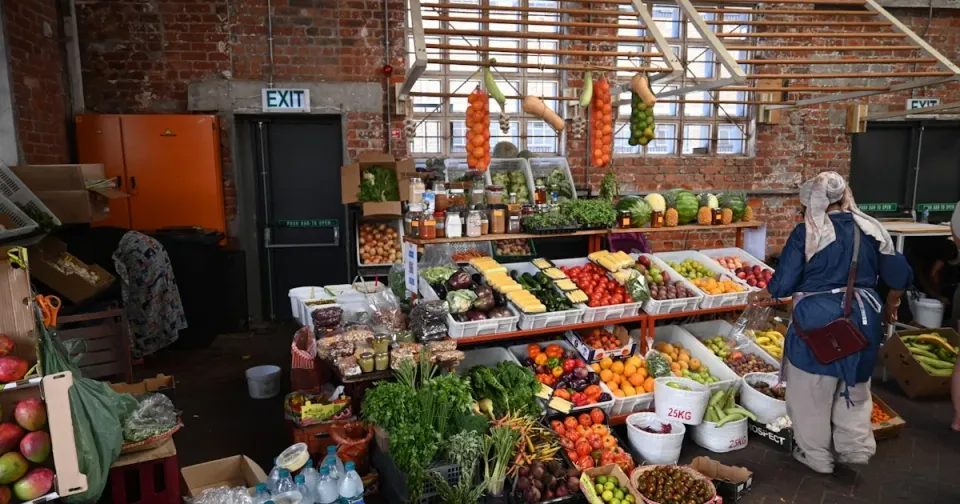
None of the ingredients are exotic anymore, though a couple take a bit more effort to track down than a trip to Checkers. Napa cabbage itself is the easiest part, Woolworths stocks Chinese cabbage, and most greengrocers and farm stalls in the bigger cities carry it seasonally. If you can't find it, ordinary white cabbage works as a substitute, cut into wedges rather than sliced, it just won't have quite the same tender, crinkled leaf.
Gochugaru, the coarse Korean chilli flake that gives kimchi its colour and its particular fruity heat rather than a sharp burn, is the one ingredient you'll need to order in or find at a specialist shop. Lunar Mart has physical stores in Stellenbosch, Gardens and Somerset West in the Western Cape, and online sellers such as Umami Food Studio and Che Gourmet also list it. It costs noticeably more than an equivalent bag of regular chilli flakes because it's imported, but a little goes a long way and one bag makes several batches. Don't substitute ordinary cayenne or paprika if you can help it, the flavour and colour are quite different, and gochugaru is worth sourcing once, since it keeps well in the freezer.
Fish sauce is the other specialty item, but it's an easy one, Woolworths sells an Asian fish sauce in the sauces aisle, and most well-stocked supermarkets in the metros carry at least one brand. For a vegetarian version, swap it for extra soy sauce or a small amount of white miso, the umami depth won't be identical but it's close enough.
What you'll need
This makes a jar big enough to keep a household going for a few weeks. Halve it if you're new to kimchi and want to try a smaller batch first.
| Ingredient | Amount | Notes |
|---|---|---|
| Napa cabbage (or white cabbage) | 1 medium head, about 1.2kg | Quartered lengthways |
| Coarse salt | 1/4 cup (about 60g) | For the initial salting, not the paste |
| Water | Enough to cover the cabbage | For the brine |
| Cake flour or glutinous rice flour | 1 tbsp | Mixed with 1 cup water and simmered into a thin porridge, helps the paste cling to the leaves |
| Gochugaru | 3 to 5 tbsp | Start lower, you can always add more |
| Fish sauce (or soy sauce for vegetarian) | 3 tbsp | |
| Garlic | 6 cloves, minced | |
| Fresh ginger | 1 tbsp, grated | |
| Sugar | 1 tbsp | |
| Spring onions | 1 bunch, cut into 4cm lengths | |
| Carrot and/or radish | 1 small, julienned | Optional, adds crunch and colour |
Method
Cut the cabbage into quarters through the core, then roughly chop each quarter into bite-sized pieces. Dissolve the salt in enough water to submerge the cabbage in a large bowl, or salt each leaf by hand if you'd rather use less water, and leave it for two hours, turning it once or twice so it salts evenly. You'll know it's ready when a piece of the stem bends without snapping.
Rinse the cabbage three times in cold water to wash off the excess salt, then drain it well and squeeze out as much water as you can. Meanwhile, whisk the flour into the cup of water and simmer it gently for a few minutes until it thickens slightly into a thin porridge, then let it cool.
Stir the gochugaru, fish sauce, garlic, ginger and sugar into the cooled porridge to make the paste. Add the spring onions and carrot or radish if using. Put on gloves, this is the messy part, and massage the paste into the cabbage until every piece is coated.
Pack it tightly into clean glass jars, pressing down so the paste's liquid rises above the cabbage and pushes out any air pockets. Leave a few centimetres of headspace, since fermentation produces gas and the jar will need room, and don't seal it completely airtight in the first days.
Fermenting kimchi in a South African climate
This is where local conditions matter more than most recipes let on, because kimchi recipes are written for Korean kitchens, and Korea's climate isn't ours. In a warm Durban or Johannesburg summer, kimchi can ferment noticeably faster than the one to five days most recipes quote, sometimes ready to move to the fridge within a day or two. On a cold Highveld or Cape winter night, it can take the better part of a week to get going. Temperature, not the calendar, is what drives it.
Leave the jar at room temperature, out of direct sun, and taste a little each day from day two onwards. Once it has a pleasant sour tang and a slight fizz on the tongue, it's fermented enough for most palates, move it to the fridge, where the cold slows the bacteria right down and it will keep improving slowly for weeks. If you like it milder, refrigerate it sooner. If you like it properly sour, the way it's often eaten once it's aged, leave it a little longer before you chill it.
A loosely closed lid or a jar with a fermentation valve stops pressure building up and making a mess when you open it. Keep the cabbage submerged under the liquid as it ferments, anything poking above the surface can dry out or, occasionally, grow mould, and a clean weight or even a smaller jar sitting inside the big one works well to hold everything down.
What to do with it once it's ready
Kimchi isn't only a side dish. Stir it through fried rice near the end of cooking, fold it into an omelette, or use the increasingly sour, older jar at the back of the fridge as the base for a quick kimchi jjigae (stew) with tofu and a bit of pork or bacon. It also works surprisingly well on a toasted cheese sandwich, or straight out of the jar with a bowl of plain rice, which is how most people in Korea eat it most of the time.
Frequently asked questions
Is kimchi good for you, or is that overhyped?
Both, a bit. The gut health case is backed by decent human studies, the diverse lactic acid bacteria and fibre do seem to support a healthier microbiome and lower inflammation markers. But claims that it prevents cancer or melts fat are stretching thin, small-scale research further than it can support. It's a nutritious fermented vegetable, not a cure for anything.
Can I make kimchi without a Korean grocery store nearby?
Yes. Gochugaru is the only ingredient that needs sourcing from a specialist or online seller, everything else, cabbage, garlic, ginger, spring onion, fish sauce, sugar, is available at a normal South African supermarket.
How long does homemade kimchi keep?
Once refrigerated, it keeps for months, and it doesn't really go off in the way fresh food does, it just keeps getting more sour as fermentation continues slowly in the cold. Most people find it best somewhere between two weeks and two months old, though older, very sour kimchi is prized for cooking into stews.
Is kimchi safe if I'm pregnant?
Fermented vegetables are generally considered safe in pregnancy, but kimchi is high in sodium and, if it's homemade rather than commercially pasteurised, carries the same general food safety caveats as any raw fermented product. If you're unsure, check with your doctor or midwife, particularly if you have blood pressure concerns.
My kimchi has white spots or a white film on top. Is it safe?
A thin white film (kahm yeast) on the surface is common and usually harmless, just skim it off. Fuzzy mould in blue, green, black or pink is not, if you see that, discard the batch. Keeping the cabbage fully submerged under the brine while it ferments is the best way to avoid it in the first place.
Kimchi isn't the only fermented food getting fresh scientific scrutiny. See our companion piece on Amasi, South Africa's own fermented milk for what the research says about its benefits and risks.
Sources
- Park, K. Y., et al. "Health benefits of kimchi (Korean fermented vegetables) as a probiotic food." Journal of Medicinal Food, via PubMed. pubmed.ncbi.nlm.nih.gov
- Stanford Medicine. "Fermented-food diet increases microbiome diversity, decreases inflammatory proteins, study finds." med.stanford.edu
- "Effects of kimchi consumption on body fat and intestinal microbiota in overweight participants: a randomized, double-blind, placebo-controlled trial." Journal of Functional Foods, via ScienceDirect. sciencedirect.com
- Cleveland Clinic. "Health Benefits of Kimchi." health.clevelandclinic.org
- "Gastric Cancer and the Daily Intake of the Major Dish Groups Contributing to Sodium Intake: A Case-Control Study in Korea." PMC. pmc.ncbi.nlm.nih.gov
- Healthline. "Kimchi Nutrition, Health Benefits, and Risks." healthline.com
This article is general information, not medical advice. If you have a health condition affected by sodium or histamine intake, check with your doctor before making kimchi a regular habit.
What do you think?
Join the conversation on our South African community forum. Share your perspective, ask a question, or just say hello.