15 Facts About Johannesburg: A Young Yet Historic African Metropolis
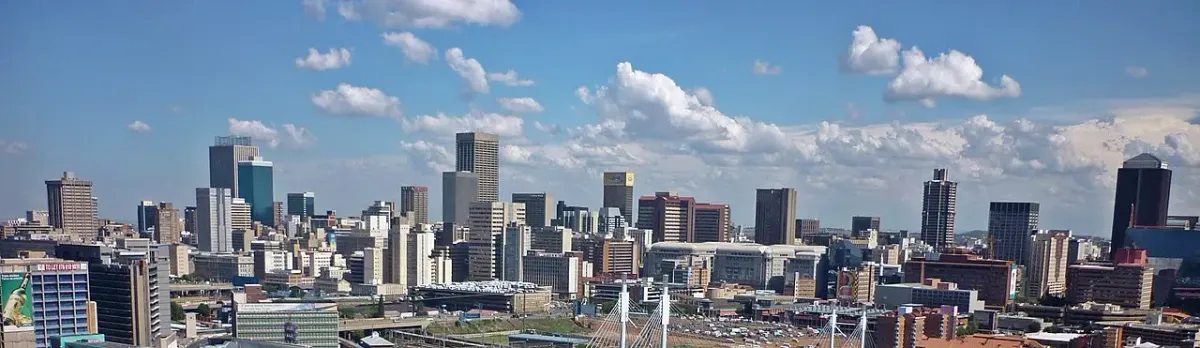
Johannesburg, South Africa's biggest city and economic engine, packs an astonishing amount of history, science and culture into a metropolis that is still less than 140 years old. Here are 15 fascinating facts about Johannesburg, from its gold-rush origins to its world-record landmarks.
1. It was born from the 1886 gold rush
Johannesburg was established on 4 October 1886, in the wake of the Witwatersrand gold rush, making it one of the world's youngest major cities at almost 140 years old. It grew explosively from a mining camp into the largest city in South Africa and, with a metropolitan population of around 10 million, one of the largest urban areas on the continent.
2. It has the largest hospital in Africa
The Chris Hani Baragwanath Hospital in Soweto is the largest hospital in Africa and holds a Guinness World Record for its number of beds, at around 3,200. It is the main public hospital serving Soweto, which is home to roughly 1.9 million people.
3. It's one of the world's largest man-made urban forests
Johannesburg is often described as one of the world's largest man-made urban forests, with an estimated 10 million trees spread across the greater city, counting parks, pavements and private gardens. Tree cover keeps growing through the Greening Soweto project, launched in 2006, which set out to plant an additional 200,000 trees in the famous township.
4. It's a major city built without a coastline, lake or river
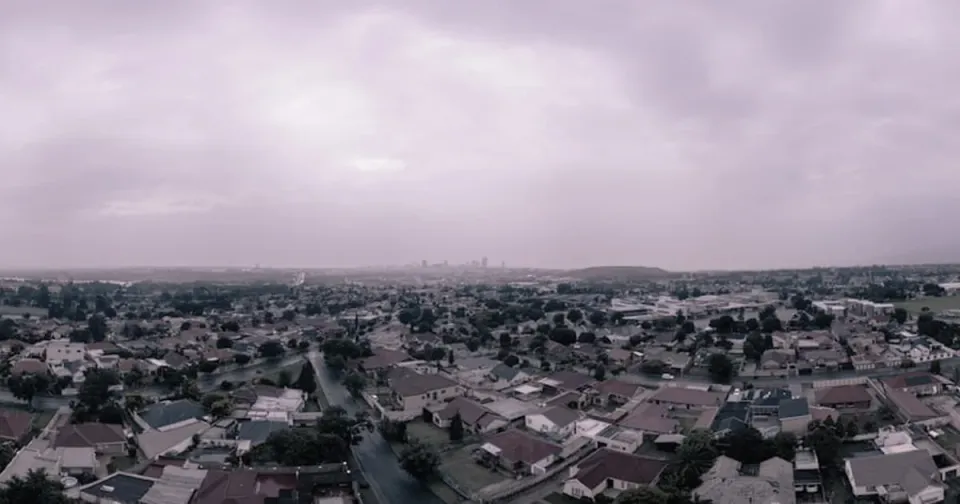
Unusually for a big city, Johannesburg is one of the very few major cities in the world not built on a coastline, lake or river. That landlocked position has earned it a reputation as one of the world's biggest inland 'dry ports'.
5. The Cradle of Humankind is on its doorstep
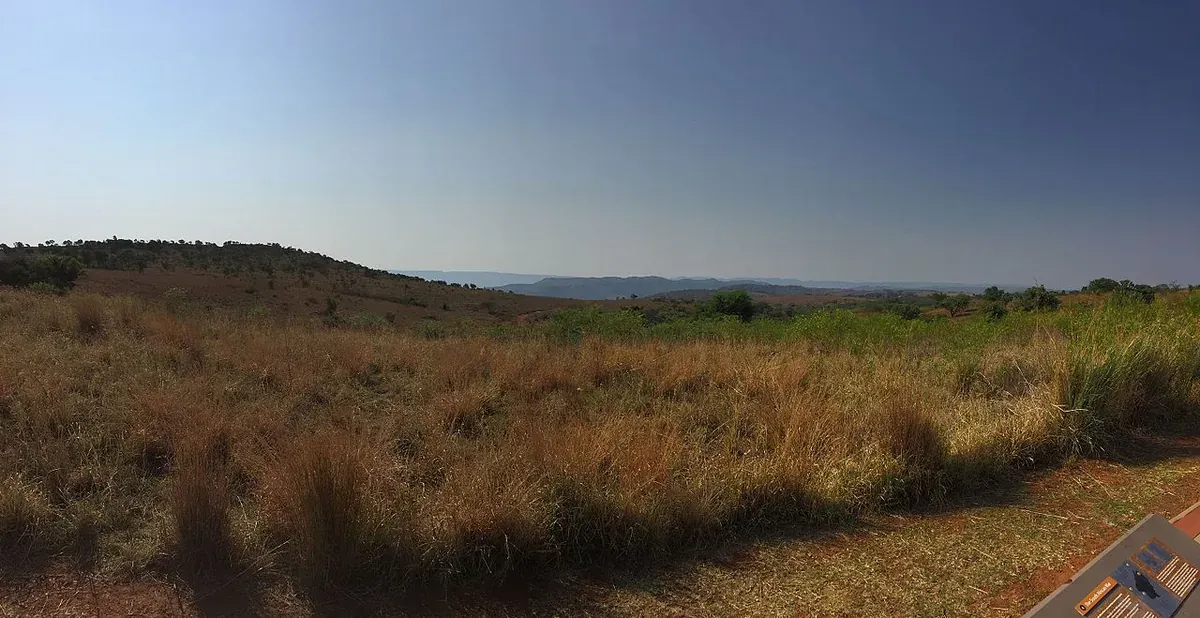
On the city's north-western outskirts lies the Cradle of Humankind, a UNESCO World Heritage Site and one of the richest hominin fossil sites on the planet. It is often cited that around 40% of the world's known human-ancestor fossils have been found in this area.
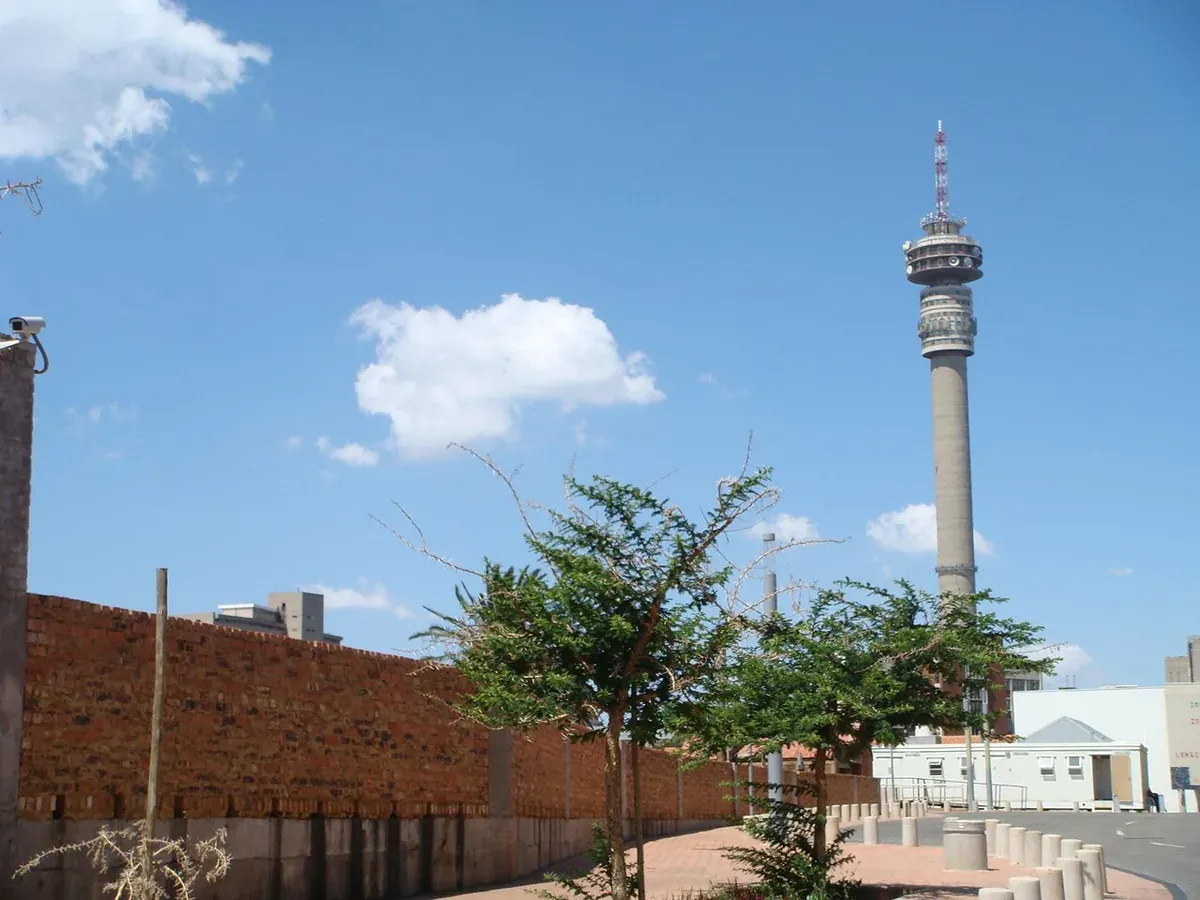
6. The Hillbrow Tower dominates its skyline
The Hillbrow Tower, standing 269m tall, was for many years the tallest tower in Africa. It once housed a revolving restaurant and observation deck, which closed to the public in 1981, but it remains one of the most recognisable features of the Johannesburg skyline.
7. Its zoo was once home to Africa's last polar bears
The Johannesburg Zoo in Parktown is more than a century old and was once home to Africa's last polar bears, GeeBee and Wang, who came from Canada and Japan respectively. Both bears died in 2014, after which the zoo decided not to keep polar bears again, focusing instead on species better suited to the Highveld climate.
8. OR Tambo is Africa's busiest airport
Johannesburg's OR Tambo International Airport, named after the former president of the African National Congress, is the busiest airport in Africa. It was designed to handle up to 28 million passengers a year and, in recent years, has served roughly 20 million annually.
9. Its inner city is watched by an extensive CCTV network
Johannesburg's inner city is monitored by an extensive CCTV network that watches major intersections and scans vehicle number plates. The operators of the system have claimed it can get a response to incidents in the central business district within about a minute, though independent figures are hard to verify.
10. There's another Johannesburg in California
There is also a Johannesburg in California, named by miners who had once worked the gold mines of Johannesburg, South Africa. The American version is a tiny community of only a couple of hundred people.
11. It sits high on the Highveld
Johannesburg sits high on the Highveld plateau, at about 1,750m above sea level. The altitude is high enough to be noticeable: water boils at a lower temperature here, so it actually takes a little longer to boil an egg than in coastal cities such as Cape Town and Durban. The same altitude brings still, cold winter mornings that trap smoke and exhaust close to the ground, which is a large part of why Johannesburg's air quality ranks among the worst of any major city in winter.
12. Gold Reef City has one of Africa's wildest rides
The Gold Reef City amusement park is home to the Tower of Terror, a vertical-drop roller coaster built into a former mine shaft. Long regarded as one of the most extreme rides in Africa, it pairs a drop of around 50 metres with a plunge underground and forces of about 6 G.
13. It's the birthplace of Kwaito music
Johannesburg is the birthplace of Kwaito, a genre of South African house music that emerged in the 1990s. With its slowed-down beats and catchy lyrics, Kwaito became the sound of post-apartheid township youth culture.
14. Soweto's Vilakazi Street is home to two Nobel laureates
Soweto's Vilakazi Street holds a distinction found nowhere else on Earth: it is the only street in the world to have been home to two Nobel Peace Prize laureates. Nelson Mandela lived here from 1946, and Archbishop Desmond Tutu's family home stands just a short walk away. Today it is one of Johannesburg's most popular heritage attractions.
15. It's the City of Gold, eGoli and Jozi
Johannesburg is widely known as the City of Gold, or 'eGoli', while locals affectionately call it 'Joburg' or, more recently, 'Jozi'. The golden nickname is well earned: the Witwatersrand basin beneath the city is the richest gold deposit ever discovered, having yielded roughly 40% of all the gold ever mined on Earth.
What do you think?
Join the conversation on our South African community forum. Share your perspective, ask a question, or just say hello.