Addo Elephant National Park: A Wildlife Conservation Success Story in South Africa
Addo Elephant National Park in the Eastern Cape is home to more than 700 elephants and South Africa's only Big Seven. Here is what to see and how to plan your visit.
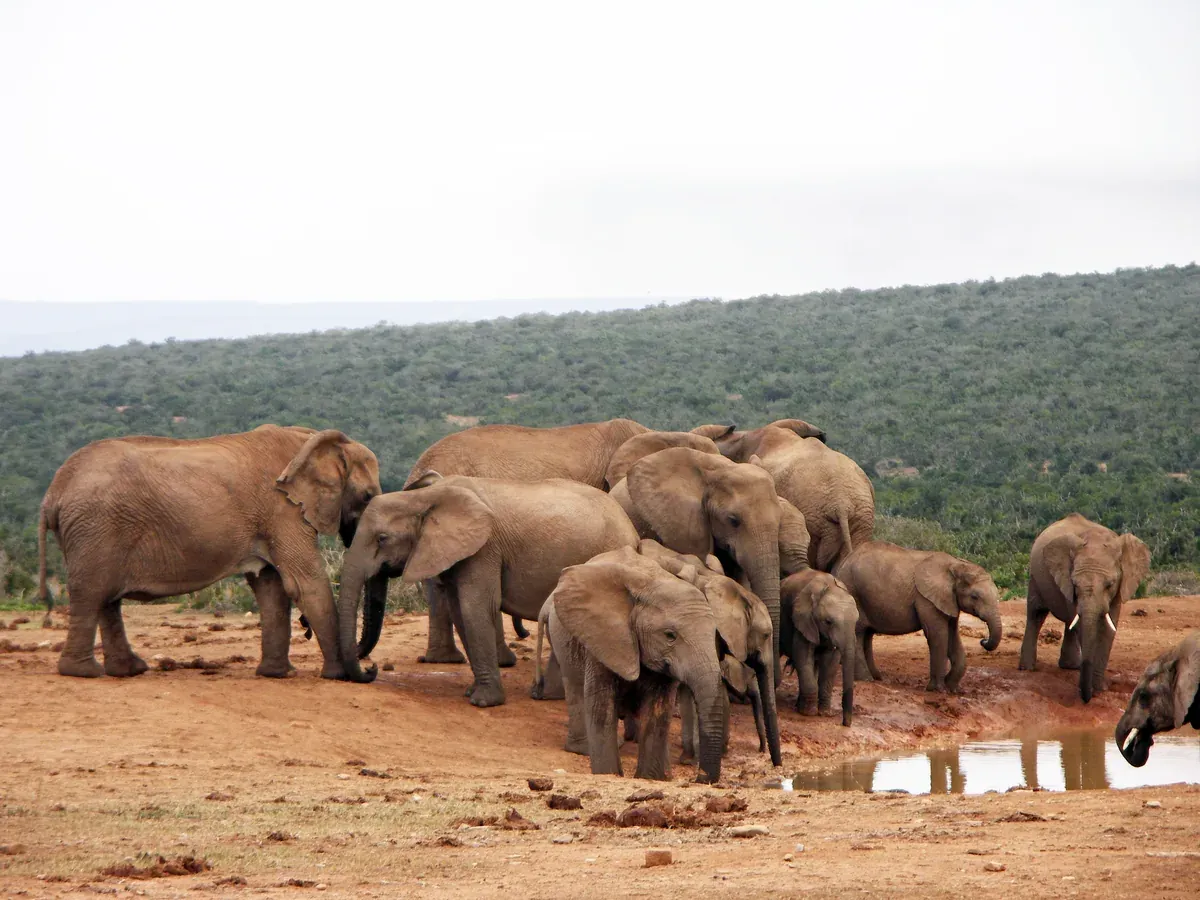
Located about 72 km from Gqeberha (formerly Port Elizabeth) in the Eastern Cape, Addo Elephant National Park is a testament to South Africa's commitment to wildlife conservation. Once a region where elephants were hunted to near extinction for their ivory, the park is now home to more than 700 elephants, a remarkable recovery from just 11 animals that remained when it was proclaimed a national park in 1931.
Covering roughly 164,000 hectares, Addo is the third-largest national park in South Africa, after Kruger and the Kgalagadi Transfrontier Park. It is a sanctuary where these gentle giants roam freely, and watching them in their natural habitat is an unforgettable experience.
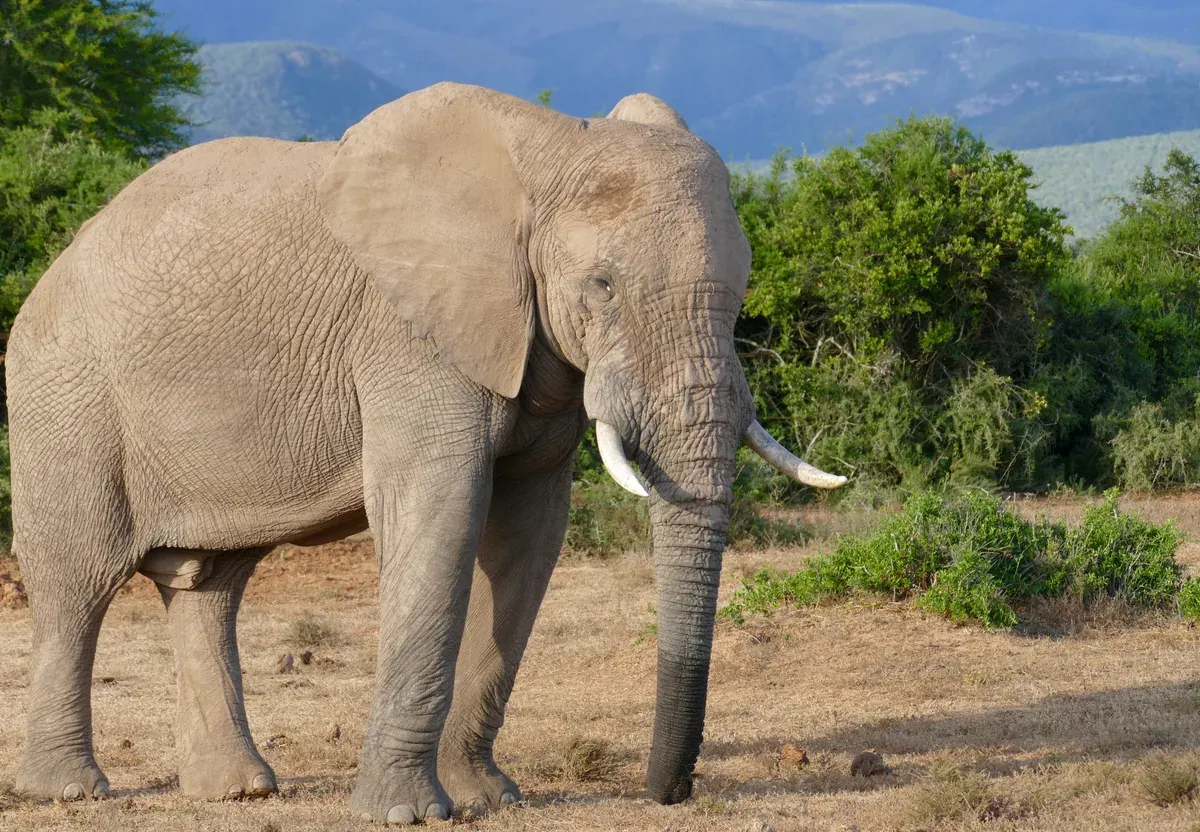
Addo is not just about elephants. This malaria-free reserve is a biodiversity hotspot that protects a population of critically endangered black rhino, along with one of the largest disease-free Cape buffalo herds in the country. Since the reintroduction of lions in 2003, sightings of these majestic predators have become more common. The park is also home to elusive leopards and a variety of antelope, including kudu, eland, red hartebeest, and bushbuck.
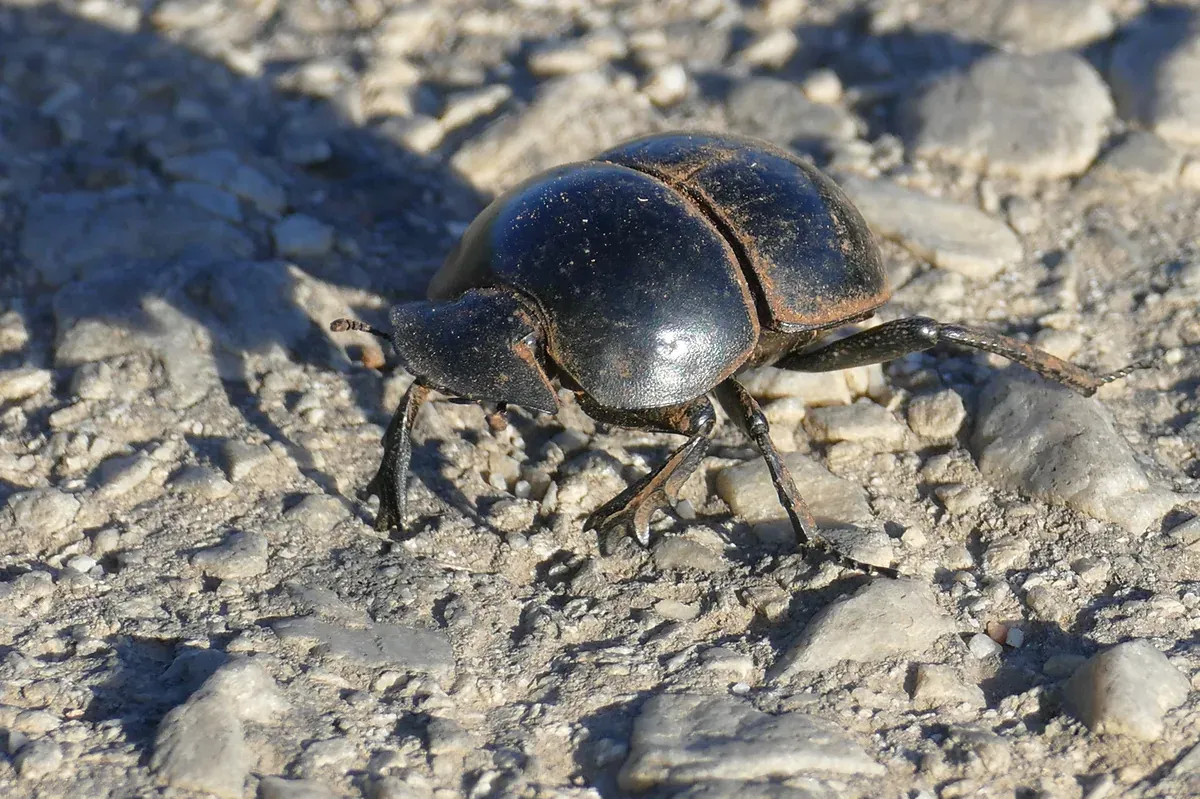
One of Addo's most famous residents is the flightless dung beetle (Circellium bacchus), a threatened species that plays a vital role in recycling nutrients and keeping the thicket healthy. The beetles matter so much here that road signs throughout the park remind visitors that dung beetles have right of way.
The park conserves five of South Africa's seven biomes, stretching from Darlington Dam, across the Zuurberg Mountains, to the lush coastal forests of Woody Cape.
Home of the Big Seven
Addo is the only national park where you can potentially see the "Big Seven": elephant, rhino, lion, buffalo, leopard, southern right whale, and great white shark. The last two live in the park's marine section in Algoa Bay, which includes Bird Island, home to one of the world's largest breeding colonies of Cape gannets and an important colony of the critically endangered African penguin.
Plans for a Greater Addo Elephant National Park aim to expand the reserve to around 360,000 hectares, linking the land-based park with this protected marine area so that land, sea, and islands are conserved together.
Things to do
Activities inside the park include self-drive and guided game drives, night drives, guided horse trails, 4x4 eco-trails, birding, and walking and hiking routes such as the multi-day Alexandria Trail through coastal forest and dunes. Boat trips in Algoa Bay offer the chance to see whales, penguins, and the marine Big Seven. Accommodation ranges from the main rest camp's chalets and cottages to tented camps, camping sites, and private concession lodges. In the surrounding Sundays River Valley you will also find river cruises and private attractions such as the Daniell Cheetah Project near Kirkwood.
Planning your visit
Addo lies about 72 km north of Gqeberha, which has the nearest major airport and all the amenities of a large city. The park is open year round and, being malaria-free, it is a popular choice for families. Game viewing is rewarding throughout the year, with the dry winter months from May to September often best, as thirsty animals gather around the waterholes. If you are exploring more of South Africa's wild places, Addo pairs well with the country's other great parks, from the Garden Route to the arid Augrabies Falls National Park in the Northern Cape.
What do you think?
Join the conversation on our South African community forum. Share your perspective, ask a question, or just say hello.