Shark cage diving in Gansbaai, up close with the Great White Shark
Gansbaai's Great Whites have all but vanished since 2017. Here is what shark cage diving here is really like today, plus the conservation story behind it.
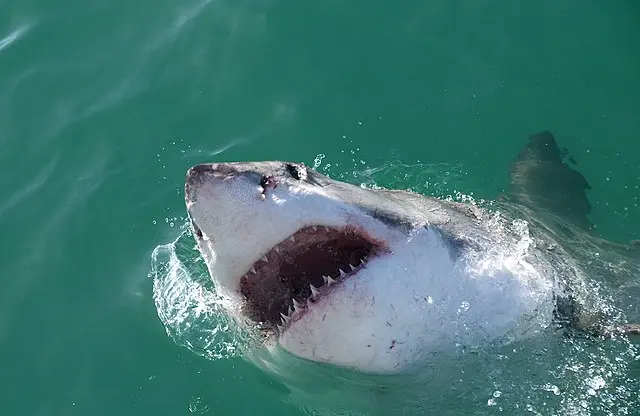
Nestled in the Western Cape of South Africa, just a stone's throw from the quaint fishing village of Gansbaai, lies a marine wonderland known as Dyer Island. For decades this small landmass was celebrated as one of the best places on Earth to come face to face with the Great White shark, drawing thrill-seekers and marine enthusiasts from around the world.
Dyer Island is a bustling hub of marine life. It is home to a colony of endangered African penguins, while the neighbouring Geyser Rock holds a dense population of around 60,000 Cape fur seals. The shallow channel between the two islands earned the nickname "Shark Alley" because of the great whites that once gathered here to hunt the seals.
What happened to the Great Whites?
Since roughly 2017, great white sharks have all but disappeared from Gansbaai and nearby False Bay. Scientists at the Oceans Research Institute recorded around a 90% drop in tracked white sharks between 2019 and 2024.
Two main causes are debated. A pair of orcas nicknamed "Port" and "Starboard" began hunting great whites and eating their nutrient-rich livers, scaring survivors away from the coast. At the same time, years of fishing pressure from shark nets, drumlines and longlines had been steadily killing white sharks. Most researchers believe both factors contributed.
The knock-on effect for tourism has been significant: cage diving trips in the region fell from about 85,000 visitors in 2016 to roughly 28,000 by 2024, partly because many travellers wrongly assume the ocean here is now empty.
What you will actually see today
Far from empty, these waters are still full of life. The most frequent visitor to the cage now is the bronze whaler, also known as the copper shark, which grows to around 3.3 m and is fast, curious and active around the boats. Broadnose sevengill sharks turn up regularly too. Great white sightings do still happen, but they are now rare, headline-making events rather than a daily occurrence.
What the experience is like
You do not need any scuba qualification, just a sense of adventure and a good dose of courage. Trips leave from Kleinbaai Harbour, a few minutes from Gansbaai and about a two-hour (roughly 165 km) drive from Cape Town. A typical outing lasts 3 to 5 hours, including a safety and educational briefing before you head out.
The cage floats at the surface, fixed to the side of the boat. As sharks move in, drawn by the chum (a mix of fish oil and mashed sardine), you simply duck about a metre below the surface to watch them glide past the bars. Prefer to stay dry? The top deck gives an excellent view of the sharks circling the boat and a superb photo opportunity.
Well-established Gansbaai operators include Marine Dynamics, White Shark Projects and the White Shark Diving Company, many of which fold marine research and conservation into every trip.
Seal Island and False Bay
Another famous shark site is Seal Island in False Bay, near Cape Town, once world-renowned for great whites launching clear out of the water as they ambushed seals. Those spectacular breaches have largely stopped since around 2019, when white sharks vanished from False Bay as well. Much of the dramatic breaching footage in wildlife documentaries was filmed before then.
Conservation: a fragile ecosystem
Despite their fearsome reputation, fuelled by films like Jaws, great white attacks on humans are very rare, and the species faces far greater threats from people than the other way around. In 1991, South Africa became the first country in the world to give the great white legal protection, and most countries with white shark populations have since followed.
Dyer Island remains an important site for scientists, conservationists and film crews. The Dyer Island Conservation Trust and its African Penguin and Seabird Sanctuary work to protect local wildlife, including the area's penguins, seals, whales and dolphins. The African penguin colony here is in serious trouble: once tens of thousands of breeding pairs strong, it has collapsed to only a few hundred pairs, and the species is now listed as critically endangered.
Gansbaai may no longer guarantee a great white encounter, but it remains one of South Africa's most rewarding marine adventures and a front-row seat to a rapidly changing ocean. Whether you climb into the cage or watch from the deck, you will leave with a deeper respect for these waters and everything that lives in them.
Sources
- Daily Maverick: Decline in great white sharks off SA's coast (2024)
- The Conversation: Great white sharks protected by law, but not in practice
- Matador Network: Great white tourism in South Africa faces crisis
- Dyer Island Nature Reserve Complex (overview)
What do you think?
Join the conversation on our South African community forum. Share your perspective, ask a question, or just say hello.