Uncover the Best Diving Spots in South Africa: An Underwater Adventure Guide
A fact-checked guide to South Africa's best dive sites: Sodwana Bay, Aliwal Shoal, Protea Banks, the Sardine Run and Cape Town, with seasons, depths and planning tips.

South Africa, with its stunning coastlines, is a dream come true for divers seeking a diverse range of underwater adventures. The country's unique geography, where the warm Agulhas current from the Indian Ocean flows down the eastern flank of the continent, and the cold Benguela current of the Atlantic surges up from the south, creates an exceptional variety of dive sites, from tropical coral reefs to cold-water kelp forests. This makes South Africa one of the best diving destinations in the world.
Let's explore the most popular places to dive in South Africa, each offering a different underwater experience and a chance to witness the country's remarkable marine life.
| Dive site | Location | Best for | Depth | Best season | Level |
|---|---|---|---|---|---|
| Sodwana Bay | KwaZulu-Natal (iSimangaliso) | Coral reefs, tropical fish, turtles | 5–30m | Mar–Sep (best viz) | All levels |
| Aliwal Shoal | Umkomaas, ~50km S of Durban | Sharks & shipwrecks | 6–27m | Jun–Nov (raggies) | Open Water+ |
| Protea Banks | Shelly Beach, KZN South Coast | Big sharks (hammerhead, tiger, Zambezi) | 27–40m | Year-round (species vary) | Advanced |
| Sardine Run | Wild Coast & KZN South Coast | Bait balls, predator action | Surface–30m | May–Jul | Advanced |
| Cape Town & False Bay | Western Cape | Kelp forests & wrecks | 10–40m | Apr–Sep (Atlantic side) | All levels |
Sodwana Bay
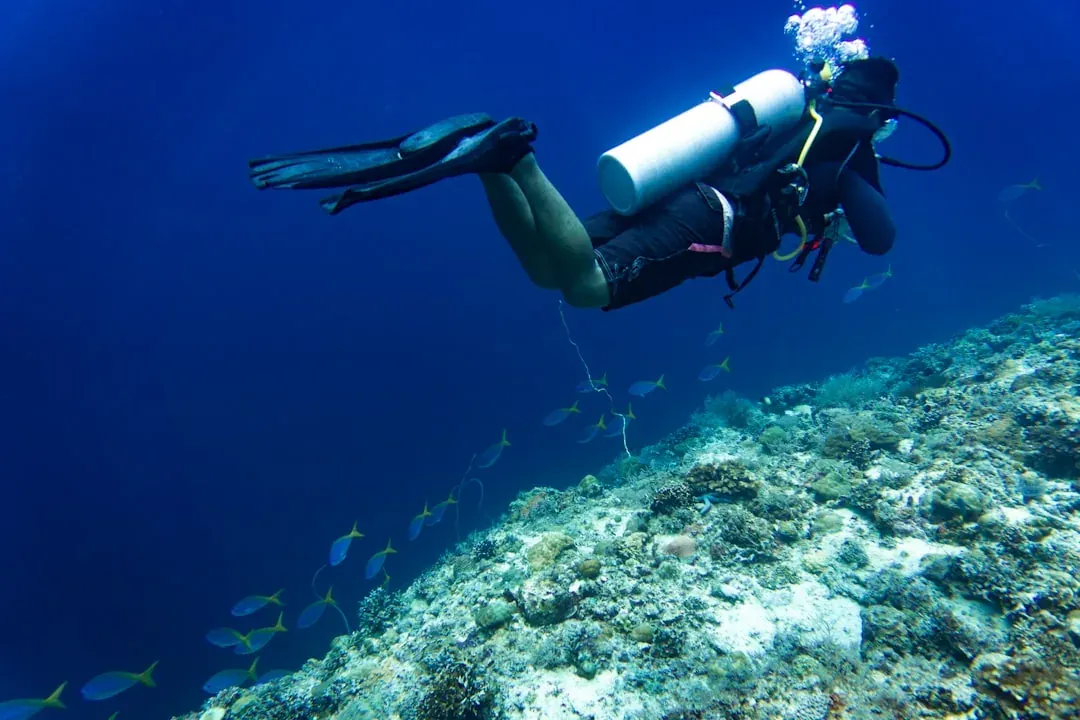
On the KwaZulu-Natal coast within the iSimangaliso Wetland Park, a UNESCO World Heritage Site, Sodwana Bay is the only recreational diving area along this stretch of protected coastline. Its 50km reef complex draws an estimated 35,000 divers a year, making it one of the busiest and most celebrated dive destinations in the world. The reefs are famously named for their distance from Jesser Point, the main launch site: 2 Mile, 5 Mile, 7 Mile, 9 Mile and Quarter Mile. Conditions are typically warm, with water temperatures ranging from about 21°C in the cooler months (roughly July–September) to 28°C in summer.
During the summer months, pregnant ragged-tooth sharks, affectionately known as 'raggies', gather close to shore, particularly around Quarter Mile reef. Loggerhead and leatherback turtles nest along these beaches in summer, with hatchlings emerging at night between roughly December and April. Whale sharks are also most likely in the warmer summer season. Divers' favourite sites along Sodwana's coastline include Quarter Mile (Raggie Reef), Stringer, Wayne's World, Coral Gardens, Zambi Alley, Anton's, Ramsey and Hot Spot.
The reefs teem with colourful marine life: butterflyfish, ribbontails, triggerfish, goldies (anthias) and devil firefish, alongside honeycomb and guineafowl moray eels and whitetip reef sharks. With shallow reefs suitable for beginners and deeper sites for the experienced, Sodwana suits divers of all levels.
Aliwal Shoal
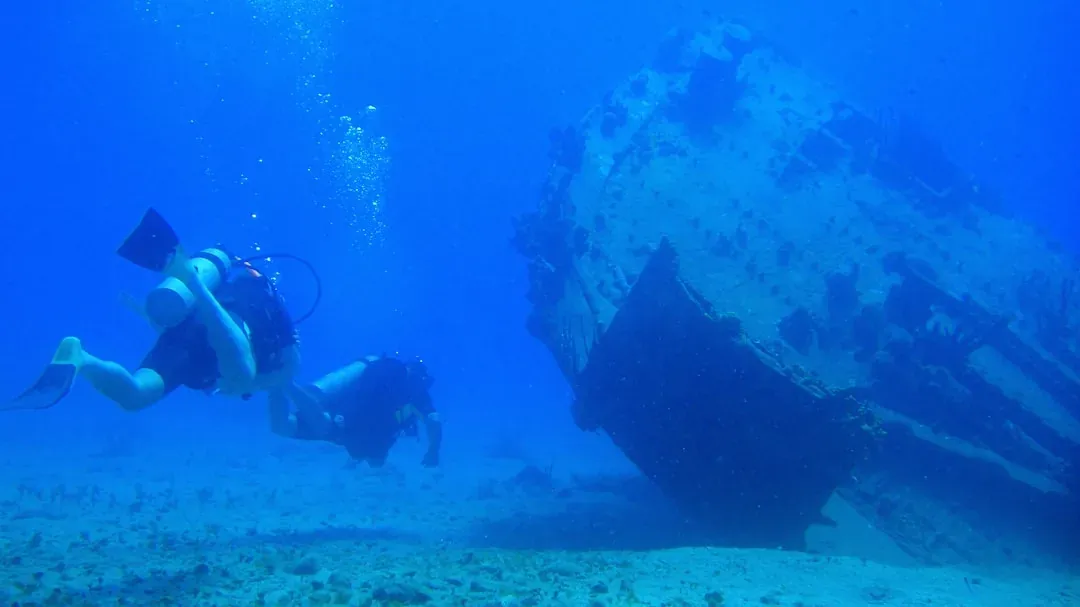
Renowned for two things, sharks and shipwrecks, Aliwal Shoal lies off Umkomaas, about 50km south of Durban. It takes its name from the ship Aliwal (itself named after the Battle of Aliwal in India), which nearly ran aground on the uncharted reef in 1849 under captain James Anderson; his subsequent warning to other vessels put the shoal on the map. Today this Marine Protected Area attracts thousands of divers who come to swim with the ragged-tooth sharks that gather here in winter (roughly June to November). The reef is also known for Zambezi (bull) sharks, especially at the Cathedral site, with whale sharks an occasional summer visitor. The shoal has a maximum depth of around 27m, and many divers prefer a 5–7mm wetsuit in the cooler months.
The wreck of the MV Produce, a Norwegian bulk carrier that sank here in 1974, lies split into two sections known simply as the Bow and the Stern. It is home to resident brindle bass (giant grouper), which can grow to around 400kg, as well as large stingrays and the occasional manta. Other popular sites include the Amphitheatre, the Cathedral, Castle Reef, Inside Ledge, Tiger Ledge and Cowrie.
Protea Banks
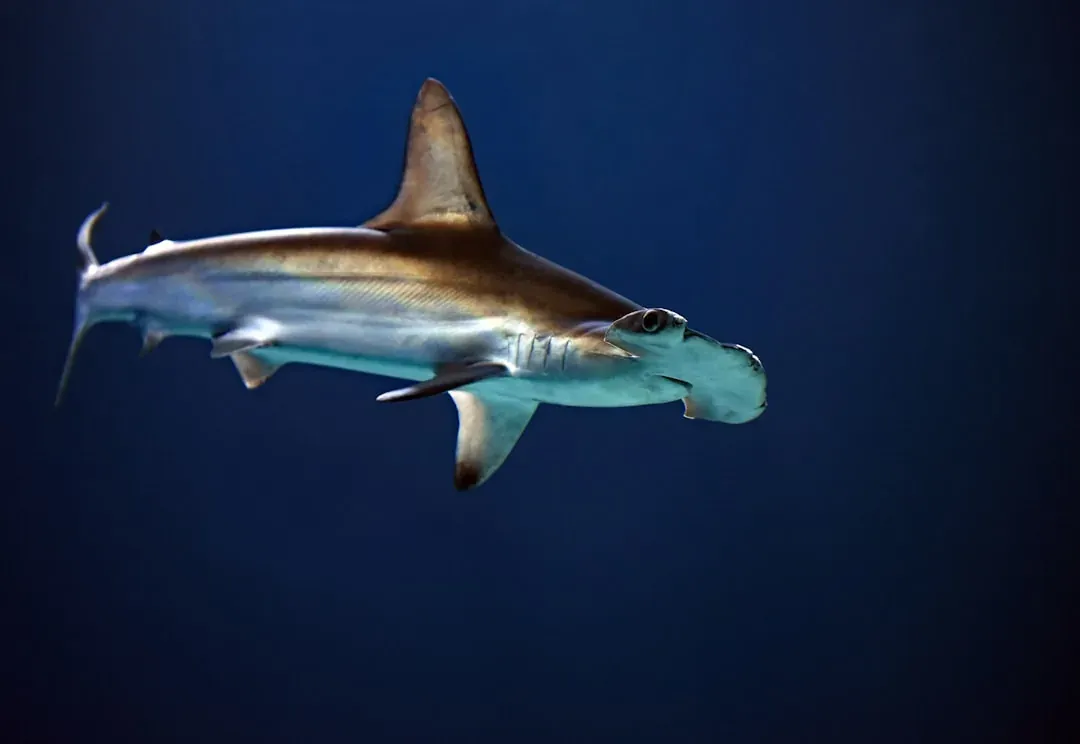
For experienced divers chasing big-animal encounters, Protea Banks is one of the finest shark-diving sites on earth. This deep reef sits about 7.5km offshore from Shelly Beach on the KZN South Coast, with dives generally between 27m and 40m, firmly advanced territory, often involving drift dives in strong current. The cast of sharks changes through the year: scalloped hammerheads school in summer, tiger sharks appear in the warmer months, Zambezi (bull) sharks are present much of the year, and ragged-tooth sharks aggregate in winter. Lucky divers have even encountered great whites passing through. Both baited and non-baited dives are offered by specialist operators.
Sardine Run
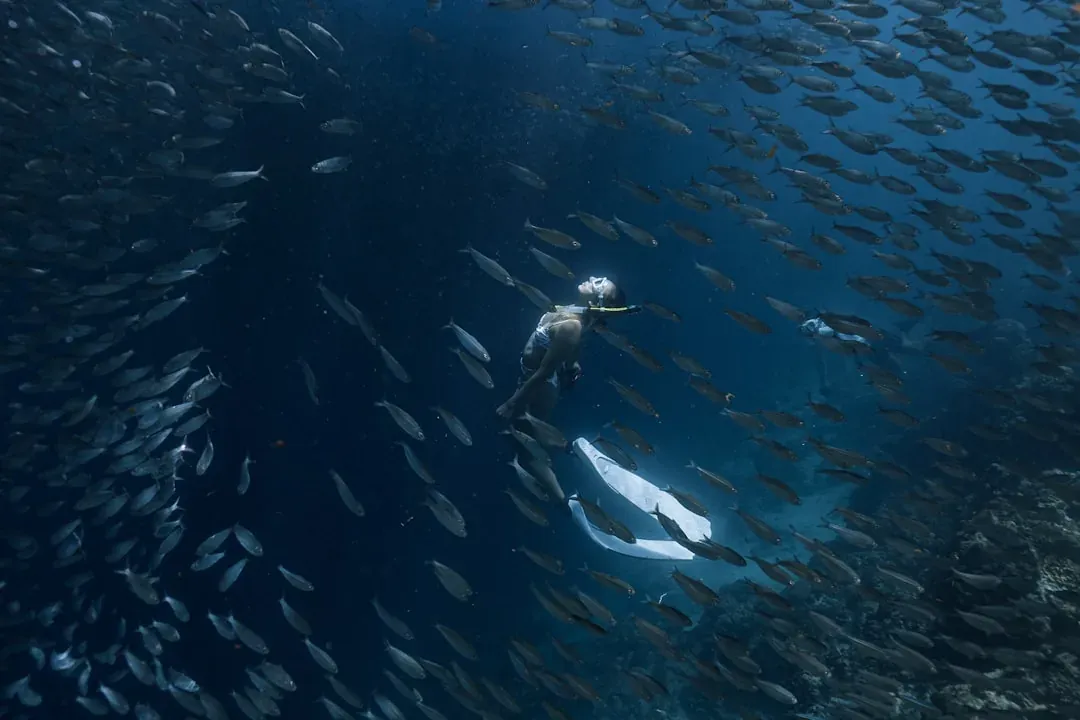
Every year, from roughly May to July, billions of sardines move northwards up the east coast in one of the planet's great wildlife spectacles, triggering a feeding frenzy among ocean predators. Common dolphins are the master herders, working in vast pods to corral the fish into tightly packed 'bait balls', with bottlenose dolphins, whales, sharks, game fish, gannets and other seabirds all joining the assault. Specialist operators run expeditions along the Wild Coast and KZN South Coast where you can get in the water beside a bait ball and witness the action up close. Little wonder it's nicknamed 'the greatest shoal on earth'.
Cape Town & False Bay
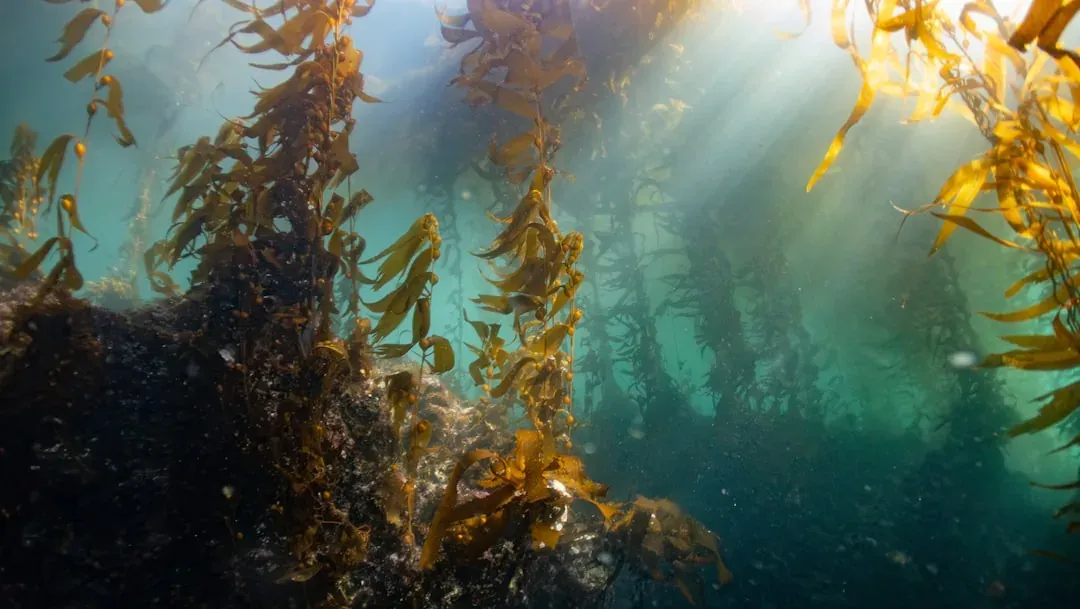
The waters around Cape Town are where the warm Agulhas and cold Benguela current systems converge near the foot of the continent (the two oceans are officially divided further east, at Cape Agulhas). The result is a uniquely cool, nutrient-rich diving environment, famous for its mesmerising kelp forests, the same Great African Seaforest made famous by the film My Octopus Teacher, and a host of intriguing shipwrecks. There are launch sites around the peninsula, from Hout Bay on the Atlantic to Simon's Town in False Bay, plus numerous shore-accessible sites.
Smitswinkel Bay, in False Bay, is a deep site (around 36m) where five wrecks lie clustered together: the scuttled naval frigates SAS Good Hope and SAS Transvaal, the trawlers Orotava and Princess Elizabeth, and the former diamond-dredging vessel Rockeater, making it a wreck-diving hotspot. And about two hours along the coast lies Gansbaai, the home of South African shark cage diving. Note that since a pair of orcas began hunting in the area in 2017, great white sightings have fallen dramatically; cage-diving boats today most often encounter bronze whaler (copper) sharks, with great whites now a rare bonus rather than a guarantee.
Planning your dive trip
When to go: For the tropical reefs of Sodwana and Aliwal, autumn to spring (around March–September) generally offers the best visibility. The Sardine Run runs May–July, and ragged-tooth shark season at Aliwal and Protea Banks is roughly June to November.
Water temperature & wetsuits: Expect 21–28°C in Sodwana (3–5mm suit), 17–25°C at Aliwal (5–7mm), and much cooler water in Cape Town, 8–14°C on the Atlantic side and a little warmer in False Bay (a 7mm semi-dry, hood and gloves are wise).
Certification: Sodwana and Cape Town have plenty of shallow sites for beginners and Open Water students, while the deeper reefs, wrecks and shark dives at Aliwal and Protea Banks call for an Advanced Open Water qualification (and, for the deepest sites, experience with current and depth).
Dive responsibly
Many of these sites, including iSimangaliso, Aliwal Shoal and others, are Marine Protected Areas. Maintain good buoyancy and never touch or stand on coral, keep a respectful distance from sharks, turtles and other marine life, take nothing but photographs, and choose operators who follow ethical wildlife and reef-safe practices.
Whether you're a seasoned diver or a complete beginner, South Africa's dive sites offer something unforgettable: from the vibrant coral reefs of Sodwana Bay and the shark-and-shipwreck thrills of Aliwal Shoal and Protea Banks, to the spectacle of the Sardine Run and the otherworldly kelp forests of Cape Town. Pack your gear and get ready to explore the best diving spots in South Africa.
Frequently asked questions
When is the best time to dive in South Africa?
It depends on what you want to see. For the warm tropical reefs of Sodwana Bay and Aliwal Shoal, autumn through spring (roughly March–September) usually brings the best visibility. The Sardine Run happens May–July, while ragged-tooth shark season runs from about June to November.
Do I need to be a certified diver?
For scuba diving, yes, most operators require at least an Open Water certification, and deeper sites such as Protea Banks or the Smitswinkel Bay wrecks need Advanced Open Water. Many centres, especially in Sodwana and Cape Town, also offer beginner courses and try-dives. Snorkelling experiences (including the Sardine Run and shark cage diving at Gansbaai) need no certification.
How cold is the water?
It varies widely by region: 21–28°C in Sodwana, 17–25°C at Aliwal Shoal, and a chilly 8–14°C on Cape Town's Atlantic side (a little warmer in False Bay). Pack a wetsuit to match.
Can you still see great white sharks at Gansbaai?
Sightings have become rare since orcas began hunting great whites in the area in 2017. Cage-diving trips still run year-round, but the sharks you're most likely to see now are bronze whalers (copper sharks).
Where is the best shark diving in South Africa?
Aliwal Shoal and Protea Banks on the KZN coast are the standouts for diving with sharks, offering ragged-tooth, Zambezi (bull), tiger and hammerhead sharks depending on the season. Gansbaai in the Western Cape is the home of shark cage diving.
What do you think?
Join the conversation on our South African community forum. Share your perspective, ask a question, or just say hello.