Robben Island: A Symbol of Resilience and Freedom
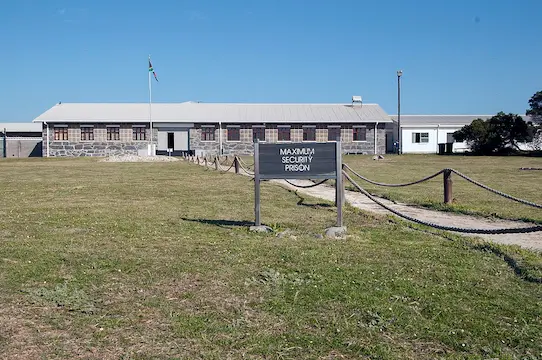
Robben Island, off the coast of Cape Town, is a symbol of resilience and freedom, most notably associated with the 27-year imprisonment of Nelson Mandela. Visible from the iconic Table Mountain, this island holds a rich and complex history.
Over the centuries, the rocky shores of Robben Island have claimed many ships, prompting Jan van Riebeeck, who led the Dutch settlement of the Cape from 1652, to light warning fires for passing vessels on the island’s highest point, then known as Vuurberg (“Fire Hill”). Today a lighthouse built in 1864 on that same rise, now called Minto’s Hill, continues to guide seafarers.
Since the Dutch arrival in the 1600s, Robben Island has served various purposes. It has been an animal quarantine station, a leper colony, a mental health hospital, and a military base during World War II. However, its primary use has always been as a prison.
In 1961, the island was reopened as a maximum-security prison for political prisoners under the apartheid government, after the Prisons Department took it over from the military in 1960. Conditions were severe, and the communal cells were badly overcrowded.
The daily routine for prisoners was harsh and degrading. They were woken at 5.30 am, forced to walk naked across the compound, and subjected to full cavity searches. Breakfast was a cup of coffee and porridge, which they had to eat while squatting. The rest of the day was spent in hard labour, much of it cutting stone in the island’s lime quarry. Malnutrition, exhaustion, and beatings by the warders led to frequent deaths.
It was under these brutal conditions that Nelson Mandela, prisoner 46664, spent 18 of his 27 years as a political prisoner. His autobiography, Long Walk to Freedom, provides a detailed account of the daily hardships he and his fellow inmates endured.
Mandela left Robben Island in 1982, when he was transferred to Pollsmoor Prison, and was finally released on 11 February 1990. The last political prisoners left Robben Island in 1991. In 1997 the island opened as a museum, and in 1999 UNESCO inscribed it as a World Heritage Site.
European rabbits, introduced by sailors centuries ago, eventually multiplied to plague proportions, peaking at an estimated 24,000 and stripping the island of its vegetation. A major cull in 2009 and 2010, followed by ongoing population control, has since brought their numbers down.
Visitors can take a ferry from the Nelson Mandela Gateway at the V&A Waterfront to tour this World Heritage Site. Tours last about three and a half hours and include the boat trip, a bus tour of the island, and a walk through the prison guided by a former political prisoner. Tickets and sailing times are available at www.robben-island.org.za.
Notable individuals who were incarcerated on Robben Island include former South African presidents Nelson Mandela, Kgalema Motlanthe, and Jacob Zuma; political leader Govan Mbeki; the founding leader of the Pan Africanist Congress, Robert Sobukwe; ANC stalwart Walter Sisulu; businessman Tokyo Sexwale; Congress of the People leader Mosiuoa “Terror” Lekota; and Amos Masondo.
What do you think?
Join the conversation on our South African community forum. Share your perspective, ask a question, or just say hello.