Helen Martins & The Owl House: A Journey into the Heart of Outsider Art
Inside the Owl House, the dazzling outsider-art world that reclusive artist Helen Martins built in the Karoo village of Nieu-Bethesda.
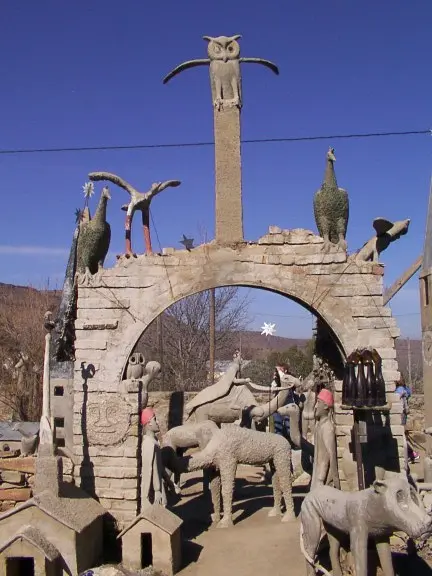
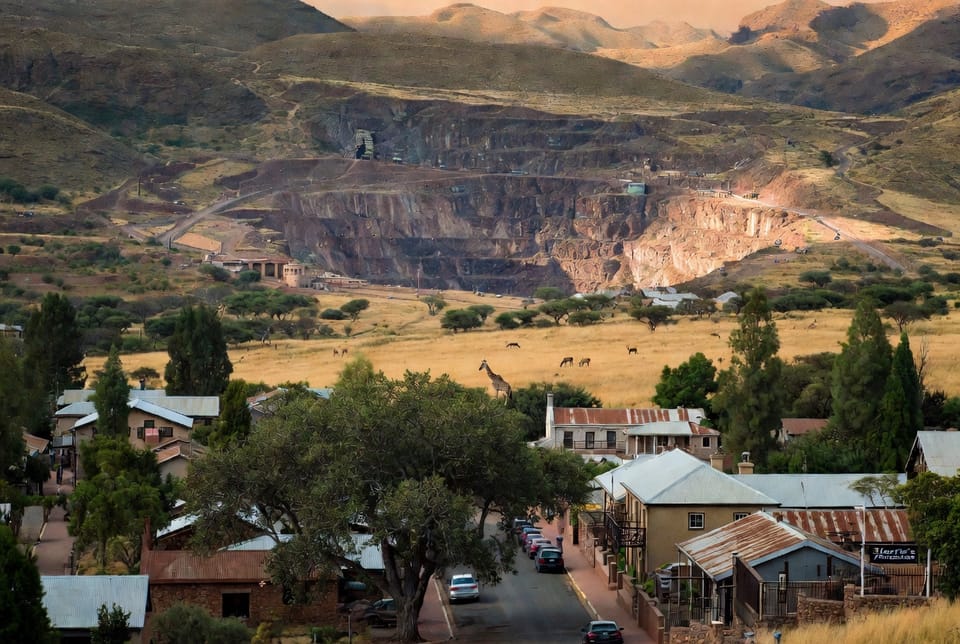
In the heart of the Eastern Cape's Karoo lies Nieu-Bethesda, a quiet village made famous by a single extraordinary house. The Owl House, the life's work of the reclusive Helen Martins, is one of South Africa's most celebrated examples of outsider art: a glittering private universe of cement, glass and light.
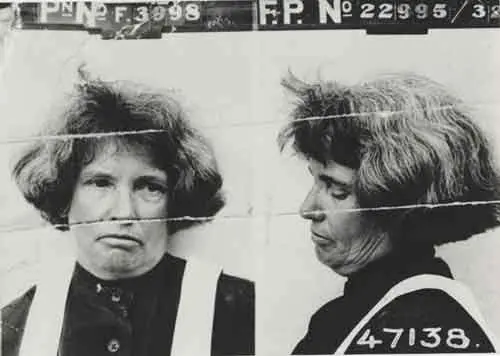
Born in Nieu-Bethesda on 23 December 1897, Helen Martins, affectionately known as "Miss Helen", was the youngest of six children. Her difficult relationship with her father, Piet, and her devotion to her ailing mother, Hester, shaped her early years.
From teacher to recluse
Helen trained as a teacher in Graaff-Reinet and went on to teach in the Transvaal, where in 1920 she married a colleague, Willem Johannes Pienaar, a teacher and amateur actor. The marriage was unhappy and ended in divorce in 1926. After a spell in Muizenberg, where she is believed to have worked in a restaurant, she returned to Nieu-Bethesda around 1928 to care for her elderly parents. Her mother died in 1941 and her father in 1945.
The Lion's Den and a new beginning
After her father's death in 1945, Helen sealed off his room, painted it black and named it "The Lion's Den". From that dark space grew the opposite impulse: a determination to fill her home with light and colour. She began covering the walls and ceilings with crushed glass and mirrors that caught the Karoo sun and threw it back in shifting, jewel-like patterns. Her art became a private world, a vivid contrast to the disappointments of her everyday life.
Koos Malgas and the Camel Yard
In 1964 Helen employed a local craftsman, Koos Malgas, to help her translate her visions into sculpture. Over the next twelve years the pair created more than 300 cement and glass figures that crowded the "Camel Yard" around the house. Malgas became Helen's closest companion and collaborator, a friendship that drew suspicion from some neighbours in apartheid-era South Africa. Her imagery was drawn from the Bible, the poetry of Omar Khayyam, the works of William Blake, and correspondence from her sister.
A world facing Mecca
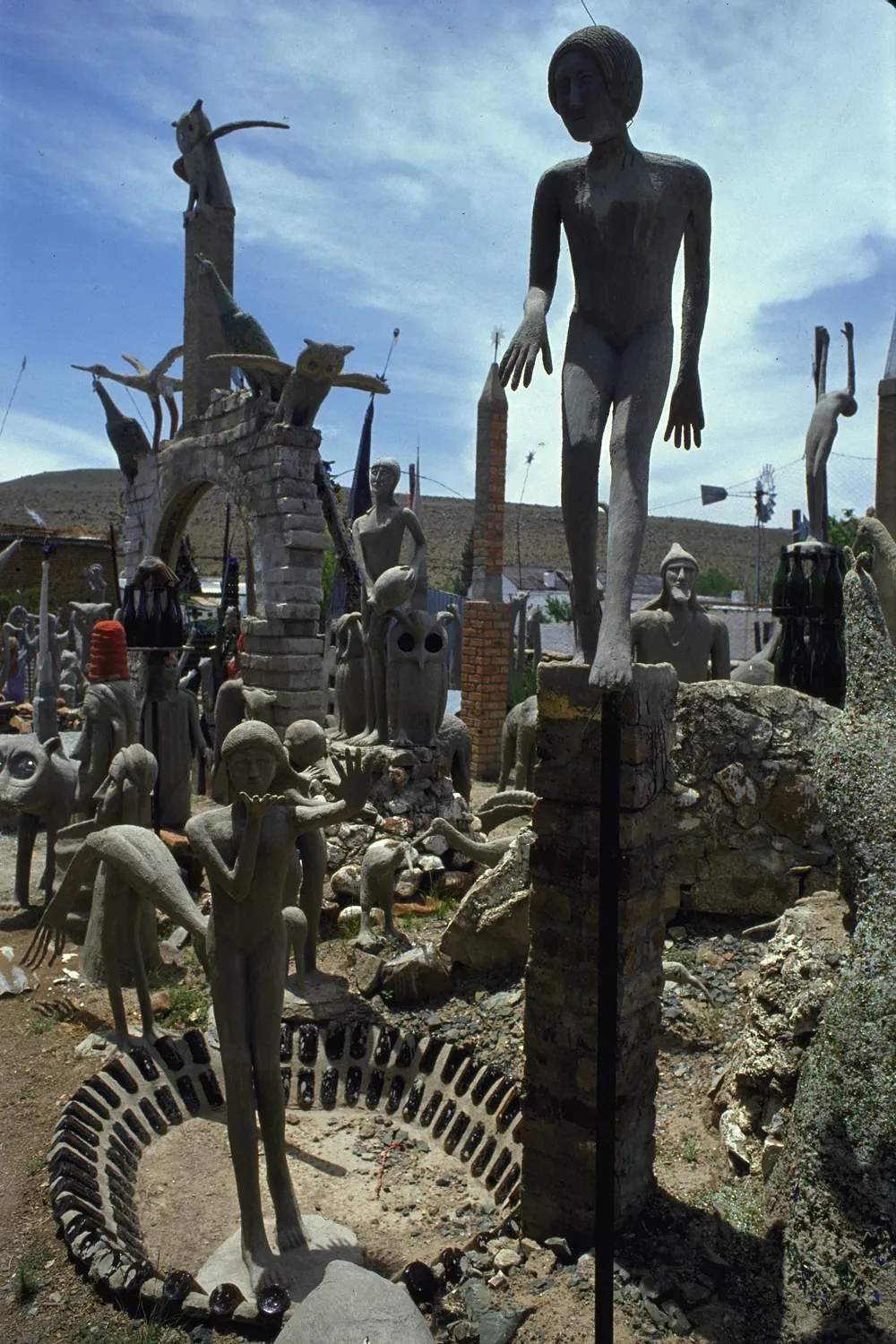
The Camel Yard is populated by owls, camels, peacocks, pyramids, shepherds, wise men and pilgrims. Many of the figures face east, towards a "Mecca" of Helen's own imagining, reflecting her fascination with the holy city and the East as places of light and spiritual longing. Above the entrance she set the words that capture the whole project: "This is my World."
Miss Helen's final years
Decades of working with finely crushed glass slowly damaged Helen's eyesight, and the prospect of going blind deepened her depression. On 6 August 1976 she swallowed caustic soda; she died two days later, on 8 August, in hospital in Graaff-Reinet, aged 78.
The Road to Mecca
Helen's story reached the world stage through Athol Fugard's acclaimed play The Road to Mecca, first performed in 1984, whose central character, "Miss Helen", is based directly on Martins. A film adaptation followed in 1991, featuring Yvonne Bryceland as Miss Helen alongside Athol Fugard and Kathy Bates. The play remains one of Fugard's best-known works and has introduced audiences far beyond South Africa to the woman of Nieu-Bethesda.
Visiting the Owl House
The Owl House was declared a national monument in 1989 and opened to the public as a museum in 1992. Koos Malgas returned to Nieu-Bethesda in 1991 to restore and care for the sculptures he had helped create; he retired in 1996 and died in 2000. Today the house and Camel Yard are looked after by the Owl House Foundation and remain Nieu-Bethesda's best-known attraction, a short drive off the N9 near Graaff-Reinet.
Helen Martins left behind far more than a decorated house. Her shimmering, strange and deeply personal world endures as one of South Africa's most remarkable works of outsider art: an invitation to see the ordinary Karoo through an extraordinary imagination.
What do you think?
Join the conversation on our South African community forum. Share your perspective, ask a question, or just say hello.