Diverse Flavors of South African Cuisine: A Culinary Journey
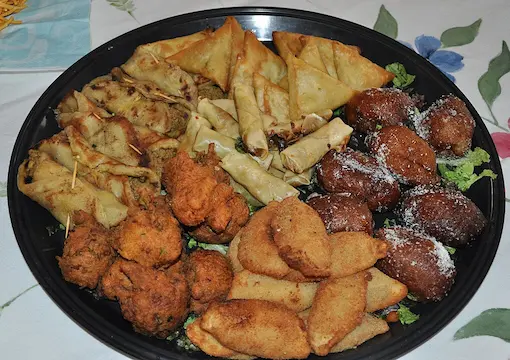
South African cuisine reflects the country's rich cultural diversity. From the traditional meals of indigenous African tribes to the influences of Portuguese, Dutch, German, French Huguenots, and British settlers, South Africa offers a culinary melting pot of flavors.
A staple in South African cuisine is 'pap', a stiff maize porridge that is a mainstay in many households. 'Mageu', a fermented non-alcoholic beverage made from maize, is another popular and nutritious drink, especially in townships and rural areas.
Experience the great Mzansi tradition of the 'braai', South Africa's take on the barbeque. Enjoy outdoor cooking in the country's sunny climate, with meat grilled over hot coals. Try 'boerewors', a traditional sausage with a variety of spices and flavors, or savor sosaties, marinated cubes of meat skewered and cooked to perfection. Your braai experience isn't complete without 'pap' served with 'chakalaka', a spicy vegetable relish, or a tomato-and-onion sauce.
Don't miss a potjiekos competition, a potluck tradition that originated with the Voortrekkers, Dutch pioneers who traveled across South Africa during the settler era. This dish is cooked in a cast-iron pot over an open fire, using a variety of meats, from chicken and mutton to game and seafood.
Biltong, strips of dried meat, and rusks, hard-baked bread often flavored with condensed milk or marmalades, are other Voortrekker-originated favorites. For a sweet treat, try a koeksister, a deep-fried pastry soaked in sugary syrup, or a slice of melktert, a milk-based tart dusted with cinnamon.
Another must-try is vetkoek or 'fat cake', a deep-fried dough ball filled with mince and chutney or smeared with apricot jam. In some areas, you can also order a vetkoek with polony, a type of luncheon meat.
No exploration of South African food is complete without acknowledging the influence of Cape Dutch cooking, a tradition that took root when the Dutch East India Company established a refreshment station at the Cape in 1652. The VOC brought workers and enslaved people from the Dutch East Indies, India and Madagascar, and with them came a treasure chest of spices, cooking techniques and flavour combinations that would shape the Cape kitchen for centuries. What emerged is a warmly spiced, aromatic style of cooking that sits at the heart of what many South Africans call Cape Malay food, though the two traditions are so closely intertwined that the line between them is delightfully blurred.
Some of the best-loved Cape Dutch dishes are bobotie, a fragrant baked mince topped with a savoury egg custard and served with yellow rice and chutney, and bredie, a slow-cooked meat stew simmered until everything melts together. Waterblommetjiebredie, made with water lily buds harvested from the Cape's seasonal vleis, is a true local delicacy you won't find anywhere else in the world. Pickled fish, made by marinating fried fish in a turmeric and onion sauce, is another Cape classic that shows just how deeply the spice trade shaped what ended up on the dinner table here.
*Mzansi is a local term meaning 'south', often used to refer to South Africa.
What do you think?
Join the conversation on our South African community forum. Share your perspective, ask a question, or just say hello.